Business update
Fresh stories, announcements and offers about Dental Clinic, Dentist, Endodontist, straight from our business.
Fluoride is a naturally occurring mineral essential for maintaining strong teeth and preventing decay. Benefits of Fluoride: 1. Strengthens tooth enamel 2. Prevents tooth decay and cavities 3. Reduces sensitivity 4. Reverses early stages of tooth decay 5. Promotes healthy gum growth Sources of Fluoride: 1. Community water supply 2. Toothpaste and mouthwash 3. Professional fluoride treatments 4. Fluoride-rich foods (tea, fish) How Fluoride Works: 1. Binds to tooth enamel 2. Repels acid attacks 3. Remineralizes teeth Tips for Optimal Fluoride Intake: 1. Use fluoride toothpaste 2. Drink fluoridated water 3. Visit your dentist regularly 4. Avoid excessive fluoride intake By incorporating fluoride into your oral hygiene routine, you'll enjoy a healthier, stronger smile.
Benefits: 1. Removes food particles and plaque 2. Prevents gingivitis and gum disease 3. Reduces risk of tooth decay 4. Freshens breath 5. Enhances overall oral hygiene Techniques: 1. Use 18-24 inches of floss 2. Wrap around middle fingers 3. Gently slide between teeth 4. Curve around base of each tooth Interdental Care Options: 1. Interdental brushes 2. Dental picks 3. Water flossers 4. Air flossers Tips: 1. Floss daily, preferably before bed 2. Replace floss every 3-4 days 3. Choose interdental tools suitable for your teeth 4. Consult your dentist for guidance By incorporating flossing and interdental care into your daily routine, you'll: - Improve oral health - Boost confidence
1. Prevents Tooth Loss: Strong gums hold teeth in place. 2. Boosts Confidence: Healthy gums enhance smile aesthetics. 3. Reduces Inflammation: Gum disease links to systemic inflammation. 4. Protects Overall Health: Research connects gum disease to diabetes, heart disease, and Alzheimer's. 5. Fresh Breath: Healthy gums prevent bad breath. Practice Good Gum Health: 1. Brush twice daily. 2. Floss once daily. 3. Visit your dentist regularly. 4. Avoid tobacco and sugary snacks. By prioritizing gum health, you'll enjoy a healthier, happier smile.
Dentures are custom-made appliances that replace missing teeth, enhancing aesthetics and functionality. Types of Dentures: 1. Full Dentures: Replace entire upper or lower teeth. 2. Partial Dentures: Fill gaps between natural teeth. 3. Immediate Dentures: Placed immediately after tooth extraction. Benefits: 1. Improved chewing and digestion 2. Enhanced confidence and self-esteem 3. Better speech clarity 4. Support facial structure Caring for Dentures: 1. Clean daily with mild soap 2. Soak overnight 3. Avoid harsh chemicals 4. Regular dental check-ups Consult at stanley dental to determine the best denture solution.
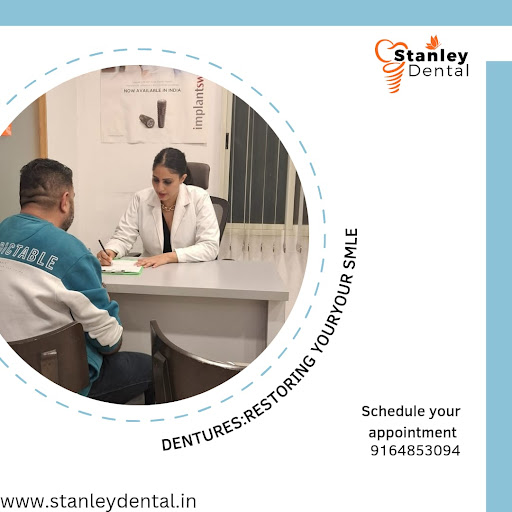
- Prevents bacterial growth - Maintains bristle effectiveness - Reduces infection risk Toothbrush Care Essentials: 1. Rinse thoroughly 2. Air dry 3. Avoid sharing 4. Replace every 3-4 months Storage & Travel Tips: - Store in well-ventilated area - Use toothbrush holder/case Avoid Mistakes: - Not rinsing - Storing in bathroom - Sharing toothbrushes
Causes: 1. Accidents 2. Biting hard objects 3. Tooth decay 4. Grinding or clenching Symptoms: 1. Tooth sensitivity 2. Pain when eating or drinking 3. Visible cracks or chips Treatment Options: 1. Dental bonding (filling) 2. Veneers (thin layers) 3. Crowns (caps) 4. Root canal (if pulp is damaged) Act Promptly: Untreated chipped or cracked teeth can lead to: 1. Infection 2. Abscesses 3. Tooth loss Don't hide your smile! Visit stanley dental for a consultation and tailored treatment.

Tobacco's Oral Health Risks: 1. Oral cancer 2. Gum disease and recession 3. Tooth decay and loss 4. Bad breath and stained teeth 5. Reduced sense of taste and smell Quitting Tobacco: A Path to Better Oral Health 1. Reduce risk of oral cancer by 50% 2. Improve gum health and reduce recession 3. Fresh breath and whiter teeth 4. Enhanced sense of taste and smell 5. Boost overall health and well-being Resources to Help You Quit: 1. National quitlines 2. Nicotine replacement therapy 3. Counseling and support groups 4. Prescription medications Break free from tobacco's grip and safeguard your oral health.
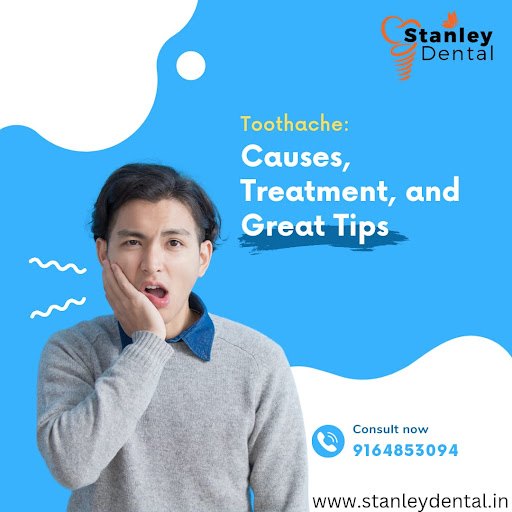
A toothache can be a debilitating and painful experience. Understanding its causes, symptoms, and solutions can help to ease discomfort and prevent future occurrences. Causes of Toothache: 1. Tooth decay 2. Gum disease 3. Cracked or broken tooth 4. Abscessed tooth 5. Grinding or clenching Symptoms: 1. Sharp or dull pain 2. Swelling or tenderness 3. Bad breath 4. Fever Toothache Relief Solutions: 1. Rinse with warm saltwater: Reduces swelling and kills bacteria. 2. Use a cold compress: Eases pain and swelling. 3. Try over-the-counter pain relievers: Ibuprofen or acetaminophen. 4. Clove oil: Natural analgesic and anti-inflammatory. 5. Dental visit: Essential for proper diagnosis and treatment. When to Seek Emergency Dental Care: 1. Severe pain or swelling 2. Fever or chills 3. Pus or discharge 4. Difficulty swallowing Don't ignore toothache symptoms. Visit your dentist for proper evaluation and treatment.
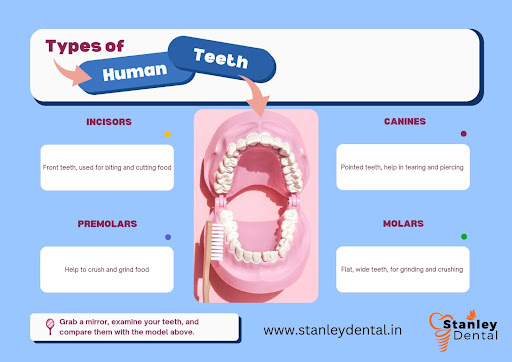
Our teeth play an important role in chewing, speaking, and smiling. There are four main types of teeth, each with unique characteristics. Incisors: Front teeth, used for biting and cutting food. Canines: Pointed teeth, help in tearing and piercing. Premolars: Also known as bicuspids, these teeth crush and grind food. Molars ( wisdom teeth): Flat, wide teeth for grinding and crushing. In addition to these primary types, some people have: Wisdom Teeth: Third molars, typically emerging between ages 17-25. Supernumerary Teeth: Extra teeth, often smaller and misplaced. Understanding your teeth's functions and types helps maintain optimal oral health. Tips to follow - Regular dental check-ups - Proper oral hygiene - Balanced diet Consult at Stanley dental for personalized advice.
Selecting the right dentist is very important for maintaining good oral health. A skilled dentist can provide personalized care, ensuring your teeth and gums remain healthy. Here's why choosing the perfect dentist matters: - Quality Care: A experienced dentist provides high-quality treatments, using modern techniques and equipment. - Preventive Care: Regular check-ups help prevent oral issues, reducing the risk of costly procedures. - Comfort and Trust: A good dentist puts you at ease, making dental visits less stressful. - Specialized Care: Some dentists specialize in areas like orthodontics or pediatric dentistry. - Emergency Care: A reliable dentist is available for urgent situations. When choosing a dentist, consider: - Qualifications and experience - Patient reviews - Services offered - Insurance coverage Take the time to research and select a dentist who meets your needs. Your oral health depends on it.